
The Relationship Between Fashion Styles and the Appreciation of Luxury Cars
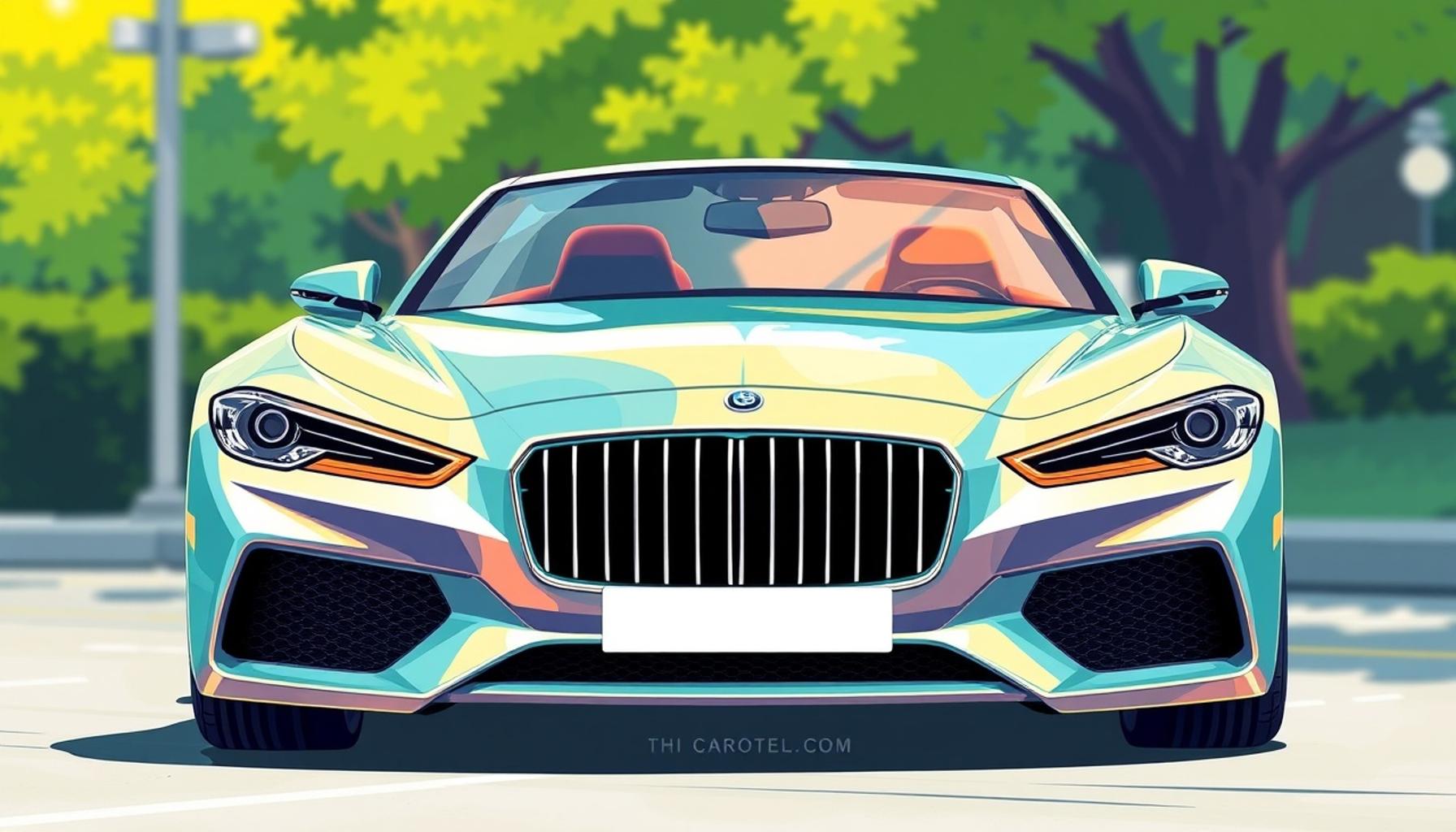
The Interplay Between Fashion and Luxury Cars
The relationship between fashion and luxury cars is profound and multifaceted, acting as a reflection of one’s social standing and personal identity. In contemporary culture, both industries serve not only as markers of wealth but also as canvases for individual expression and lifestyle choices.
Brand Influence
High-end fashion brands frequently engage in collaborations with luxury car manufacturers, creating unique products that appeal to affluent consumers. For example, the partnership between Gucci and Fiat produced a limited-edition Fiat 500 adorned with Gucci’s signature logo and design motifs. Such collaborations elevate the status of both the vehicle and the fashion label, allowing consumers to own a piece of art that embodies both design worlds.
Color Trends
Seasonal color palettes in the fashion industry play a significant role in shaping trends in automotive design. For instance, during Paris Fashion Week, specific hues often emerge that resonate with the current mood and aesthetics of the season. Car manufacturers keenly observe these shifts—during the spring of 2023, many luxury brands introduced shades like muted lavender and rich mustard, drawing direct inspiration from the runway. This interplay shows how fashion influences consumers’ choices when selecting car colors, leading to a broader trend where vehicles become a personal style statement.
Celebrity Endorsements
Another important element is the impactful presence of celebrities, who often embody fashion trends and luxury car ownership. Stars like Kylie Jenner and David Beckham are frequently seen flaunting both designer outfits and high-end vehicles, seamlessly blending the two worlds. Their choices not only influence public perception but also guide consumer behavior, prompting fans to emulate their style by investing in luxury wardrobes and automobiles.
This synergy creates a cohesive narrative between fashion and automotive design. For example, a tailored Tom Ford suit displayed alongside a striking Bentley Continental GT projects an image of refined elegance. Similarly, pairing streetwear brands like Off-White with vehicles like a Range Rover portrays a relaxed, yet sophisticated lifestyle. These combinations enhance the allure of both industries, further entrenching their connection.
As we examine these various aspects, it becomes clear that the integration of fashion and luxury cars shapes not only industry trends but also individual consumer behavior. Understanding this connection helps clarify why some people are drawn to specific brands and styles, as these choices reflect their identity and aspirations.
DISCOVER MORE: Click here for details on applying
The Psychology of Status Symbols
The appreciation of luxury cars is often deeply intertwined with fashion choices because both represent more than just products; they symbolize a particular lifestyle and set of values. Psychological studies indicate that individuals often equate possessions with personal identity, leading them to select items—such as clothing and cars—that reflect their aspirations and social standing. When people choose a luxury car, they are not just making a purchase; they are consciously curating an image of success.
In today’s society, luxury items often serve as status symbols, prompting consumers to align themselves with brands that project prestige and power. When individuals drive a car like a Porsche 911 or wear a Chanel jacket, they send a message about their achievements and lifestyle. As a result, the choices in both fashion and vehicles become part of a larger narrative that defines who they are to themselves and to others.
Complementary Aesthetics
The aesthetic qualities of fashion and luxury cars frequently complement one another, further blurring the lines between the two industries. For instance, luxury car makers invest heavily in design elements that parallel current fashion trends. The curves of a Ferrari can be likened to the sleek lines of a Balenciaga dress, highlighting the emphasis on elegance and innovation in both fields. This seamless integration allows customers to appreciate and invest in designs that resonate with contemporary tastes.
- Tailoring and Fit: Just as fit is crucial in fashion, it is vital in automotive design. A well-fitted suit enhances an individual’s appearance, similar to how a car’s design can reflect its owner’s taste and personality.
- Material Selection: Luxurious textiles in fashion find parallels in high-quality leather and finishes used in luxury cars. Consumers often gravitate towards vehicles that feature plush interiors, much like the fabrics used in upscale garments.
- Brand Heritage: Both fashion labels and car manufacturers often draw from rich histories, which adds depth to their offerings. Brands like Mercedes-Benz and Gucci carry legacies that define luxury, appealing to consumers who value tradition alongside contemporary style.
The combination of these aesthetic qualities creates an enticing experience for consumers, who may choose a specific outfit to match the car they own or envision purchasing. This synergy enhances their enjoyment and appreciation for both their clothing and vehicles, making them more than merely material goods; they become extensions of personal style and identity.
In summary, the interplay between fashion and luxury cars extends beyond aesthetics to encompass psychological elements such as status and identity. This intricate relationship influences consumer choices and helps to construct a lifestyle that merges elegance, craftsmanship, and societal perception.
DISCOVER MORE: Click here to learn how to apply
The Influence of Celebrity Culture
Another significant factor influencing the relationship between fashion styles and the appreciation of luxury cars is the power of celebrity culture. Celebrities often serve as influential trendsetters, and their choices in both fashion and automobiles can sway public opinion dramatically. When a popular figure drives a specific luxury car or wears a unique designer outfit, it sends ripples through consumer culture, prompting admirers to seek similar items to emulate that lifestyle.
The connection becomes particularly evident on social media platforms such as Instagram and TikTok, where stars flaunt their taste in high-end fashion alongside their luxurious vehicles. For example, a celebrity spotted in a Gucci gown while driving a Lamborghini Huracán showcases how intertwined these signals of wealth and style can be. The audience not only seeks to replicate the fashion but also aspires to the automobile that complements that image of affluence.
The Intersection of Innovation and Trendsetting
Beneath the glitzy facade of glamour lies a more profound intersection of innovation that drives both fashion and luxury car sectors forward. Leading brands in both industries continuously push boundaries, experimenting with new materials, designs, and technologies. For instance, high-tech fabrics designed for performance clothing have made their way into automotive interiors, offering greater comfort and durability. Similarly, luxury car manufacturers like Tesla have revolutionized the automotive space with electric vehicles, which resonate strongly with environmentally conscious fashion brands dedicated to sustainability.
- Adoption of Sustainable Practices: As fashion makers strive to create eco-friendly apparel, luxury car brands are also incorporating sustainable materials in their design, creating a harmonious relationship between eco-conscious fashion and luxury automobiles.
- Technological Integration: Features such as smart dashboards in luxury vehicles mirror the tech-savvy approach of high-end fashion brands that focus on innovative fabrics and functionalities in their designs.
This mutual influence enhances consumer expectations; people are drawn to luxury items that not only exude quality but also embody the spirit of modernity and progress. For instance, a consumer might choose to wear a jacket from an avant-garde designer while driving a cutting-edge electric car, thereby aligning their fashion sense with their automotive choices.
Market Dynamics and Consumer Behavior
The synergy between fashion and luxury cars also reflects broader market dynamics, where consumer behavior is significantly shaped by status and lifestyle preferences. As both markets evolve, there is growing evidence that consumers prioritize cohesive branding—seeking out combinations of fashion and vehicles that align with their identities. For example, enthusiasts might seek luxury sports cars that match the vibrant style of streetwear brands like Off-White, highlighting a cultural movement that emphasizes individual expression through both clothing and automobiles.
Furthermore, events like car shows and fashion weeks often merge these two worlds, creating experiences that appeal to both car aficionados and fashionistas. From the annual Monaco Grand Prix to the New York Fashion Week, the showcasing of luxury vehicles alongside high-end fashion elevates the consumer experience, reinforcing the notion that both domains are intertwined facets of modern luxury living.
DISCOVER MORE: Click here for the application guide
Conclusion
In conclusion, the relationship between fashion styles and the appreciation of luxury cars is a complex interplay shaped by various cultural, social, and economic factors. As explored throughout this article, the influence of celebrity culture cannot be overstated, as it propels consumer desire towards both stylish attire and high-end vehicles. The visibility of celebrities showcasing their fashion alongside luxury cars on social media networks creates aspirational benchmarks that many individuals desire to reach.
Additionally, the intersection of innovation in both industries fosters a landscape where sustainability and technology redefine consumer expectations. It is clear that today’s consumers seek products that reflect a modern ethos—whether that means wearing eco-friendly clothing or driving a state-of-the-art electric car. This growing awareness encourages brands to merge their creative forces, offering luxurious experiences that align with the ethically minded and tech-savvy consumer.
Moreover, the market dynamics in which these two sectors operate reveal that consumers are increasingly seeking cohesive branding that complements their lifestyles. The blending of fashion and automotive exhibits at events further solidifies the link between these domains, creating a vibrant tapestry of experiences that resonate with enthusiasts from both worlds.
Ultimately, as we move forward, it will be essential to recognize that fashion and luxury cars are not merely symbols of wealth; they serve as extensions of personal identity, aspirations, and values. As consumers, we are encouraged to reflect on how the choices we make in fashion and automobiles are interwoven, defining our individual narratives in a world where luxury takes many forms.

Linda Carter
Linda Carter is a writer and expert known for producing clear, engaging, and easy-to-understand content. With solid experience guiding people in achieving their goals, she shares valuable insights and practical guidance. Her mission is to support readers in making informed choices and achieving significant progress.