
The Influence of Classic Cars on Contemporary Fashion Styles: A Cultural Analysis
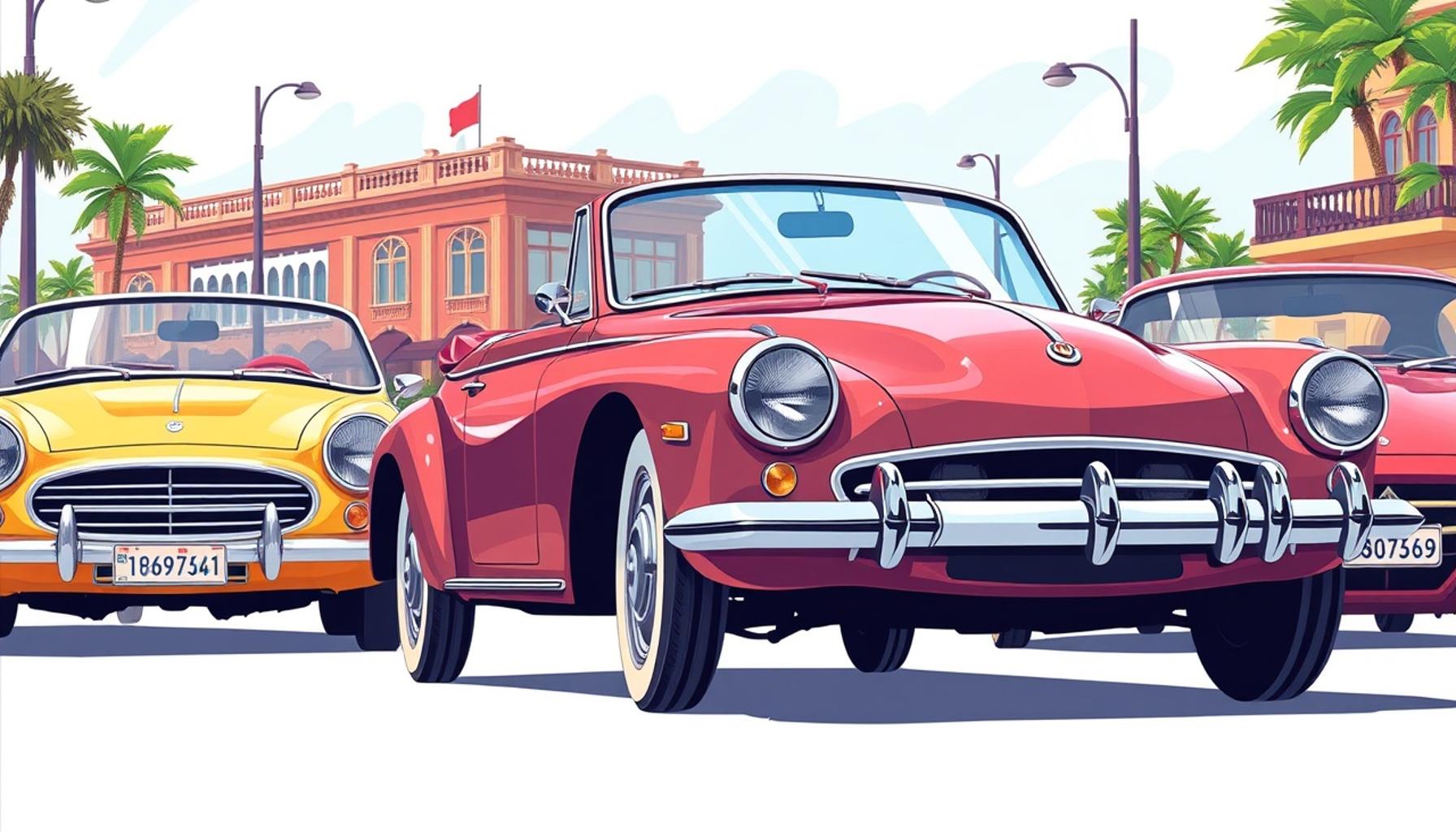
Unlocking the Connection Between Classic Cars and Modern Fashion
Fashion is a living, breathing art form that evolves with cultural shifts and societal changes. Among the many influences that shape modern fashion, classic cars stand out as a unique source of inspiration. These automobiles, which have become symbols of an era, are not merely pieces of machinery; they are cultural icons that evoke nostalgia and represent a rich tapestry of history. Car enthusiasts and fashion designers alike celebrate their artistry, making it clear that the aesthetics of classic cars are woven into the fabric of contemporary style.
To truly appreciate how these classic vehicles inform current fashion trends, let’s delve into some notable examples of cars that have left an indelible mark on fashion:
- 1950s Chevrolet Bel Air: This automobile is renowned for its high-gloss finish and vivid color options, often seen in hues like coral, turquoise, and creamy white. Designers have embraced these nostalgic colors in their collections, incorporating them into everything from summer dresses to accessory lines, evoking a classic Americana vibe with a modern twist.
- 1960s Ford Mustang: With its sporty silhouette and aggressive stance, the Mustang has become synonymous with rebellion and youth culture. This edgy design is mirrored in today’s leather jackets, distressed denim, and rugged footwear found in streetwear. The essence of the Mustang screams individuality, influencing looks that are both bold and effortless.
- Volkswagen Beetle: The Beetle’s whimsical curves and cheerful design have inspired many fashion trends, particularly in casual wear. Playful patterns, soft fabrics, and even rounded shoe designs reflect the Beetle’s distinctive styling, allowing wearers to express their carefree spirit through their wardrobe choices.
This connection between classic cars and fashion extends beyond just shapes and colors. Let’s explore further how these influences manifest:
- Color Palettes: Vibrant pastels and daring primary colors, often akin to vintage car paint jobs, have made their way into modern collections. The use of bright neon colors reminiscent of 1980s muscle cars can be frequently spotted in swimwear and activewear lines, revitalizing the spirit of fun in fashion.
- Textures: Materials such as luxurious leather and metallic finishes are prevalent in fashion today, harking back to the interiors and embellishments of classic cars. Designers often incorporate these textures into jackets, bags, and even footwear for an elevated, refined appearance.
- Aesthetic Motifs: Fashion labels have also started employing graphic prints that feature automotive imagery. From T-shirts adorned with vintage car graphics to silk scarves showcasing intricate car designs, these motifs offer a subtle celebration of automotive history while providing a chic style statement.
Examining this cross-pollination of automotive culture and fashion reveals much about our society’s values and aesthetics. It becomes evident that classic cars are not just relics of the past; they shape contemporary fashion and reflect our evolving tastes. By looking to these automotive masterpieces, we gain insight into how nostalgia, innovation, and timeless design converge to define what we wear today.
DISCOVER MORE: Click here to find out how to apply
From Steel to Style: How Classic Cars Inspire Fashion Trends
The influence of classic cars on contemporary fashion extends beyond mere aesthetics; it delves into a deeper narrative of cultural identity and expression. Classic cars, with their unique designs and historical significance, offer a wellspring of inspiration for modern designers, infusing collections with a nostalgic charm that resonates with consumers. To illustrate this connection, we can look at various elements that classic cars contribute to contemporary fashion.
- Silhouettes: The iconic shapes and lines of classic cars, such as the curvy outline of a 1950s Cadillac, find echoes in modern garment cuts. Designers often adopt these flowing lines to create dresses and outerwear that capture the elegance and grace associated with those automotive icons. For example, the A-line dress silhouette mirrors the streamlined body of classic cars, promoting a flattering fit that pays homage to mid-century automotive designs.
- Prints and Patterns: The vibrant decals and exteriors of classic cars have inspired bold patterns in fashion. Retro prints featuring checkerboard designs, reminiscent of the racing heritage of vehicles like the Mini Cooper, are now ubiquitous in casual wear. These playful patterns evoke a sense of fun and freedom, appealing to the spirit of adventure that classic cars represent.
- Accessorizing with Automotive Flair: Car enthusiasts often showcase their passion through their choice of accessories. Fashion designers have begun to take a cue from this enthusiasm, incorporating automotive elements into their jewelry and handbags. Accessories featuring chrome-like finishes, steering wheel motifs, and even leather reminiscent of classic car interiors are becoming sought-after items, bridging the gap between auto culture and accessorizing.
Additionally, the impact of classic cars on fabric choice cannot be underestimated. The luxurious leathers that line vintage interiors are reflected in current fashion trends, as seen in chic leather jackets that have become staples in both high-end and streetwear circles. Designers are increasingly experimenting with textures that replicate the feel of classic car upholstery, with soft, supple materials dominating the market.
Moreover, the vibrant color palettes associated with classic cars often reappear on the runway. Designers draw from the rich hues of classic models—deep reds, bright yellows, and striking blues—to create eye-catching collections that celebrate a vintage aesthetic while remaining grounded in modern sensibilities. This chromatic borrowing infuses energy into contemporary fashion, encouraging wearers to embrace bold choices that reflect their personal style.
The integration of classic car influences into fashion highlights not only a homage to bygone eras but also a way of connecting with consumers on an emotional level. As people become increasingly drawn to authenticity and heritage, the influence of classic cars offers a blend of nostalgia and modernity, allowing individuals to express their identities through their attire. This dynamic interplay showcases how the storied history of classic cars serves as a fertile ground for inspiration, shaping the narratives we portray through our fashion choices.
LEARN MORE: Click here to discover how to apply
Automotive Icons: Steering Fashion into New Directions
Classic cars not only drive innovation in design elements but also play a significant role in shaping cultural narratives that resonate widely with contemporary fashion audiences. From subcultures to high fashion runways, the presence of classic cars has become a vehicle for self-expression and identity. This influence transcends conventional design elements and extends into the broader cultural and social implications of fashion.
- Subcultural Movements: The classic car community is often intertwined with various subcultures, such as the rockabilly movement, which embraces a combination of vintage music, clothing, and automotive style. The adoption of fashion elements like high-waisted jeans, leather jackets, and retro prints often reflects the aesthetic of classic cars from the 1950s and 1960s. These styles encapsulate a youthful rebellion and a nostalgic yearning, allowing wearers to align themselves with a specific cultural identity. Recently, brands have collaborated with car culture icons, resulting in limited-edition collections that capture this spirit and foster a sense of belonging among enthusiasts.
- Fashion Shows and Car Culture: The connection between classic cars and fashion has been cemented in high-profile fashion shows, where the runway becomes a setting to celebrate vintage automobiles alongside designer collections. Events like the annual Pebble Beach Concours d’Elegance often feature exclusive fashion segments that marry timeless clothing with classic cars, creating immersive experiences that highlight their shared elegance. Designers present garments inspired by automotive heritage, showcasing the rich narrative that both industries celebrate. For example, the presence of a classic Mustang can invigorate a collection, inspiring designers to vector in on bold colors and sleek lines reminiscent of the car’s design.
- Eco-conscious Fashion Movements: As society progresses towards more sustainable practices, the classic car movement meets contemporary fashion through an emphasis on vintage and upcycled materials. Some fashion designers take inspiration from classic cars not only for their aesthetic appeal but also for their durable materials. They draw on the notion of reinterpreting bygone styles, allowing them to create sustainable, high-quality pieces that tell a story through their craftsmanship. This melding of vintage style with eco-consciousness fosters a deeper connection to fashion, as consumers become increasingly mindful of the origins of their garments and the materials used.
Furthermore, the impact of classic cars on celebrity culture cannot be overlooked. Celebrities often associate themselves with specific classic vehicle brands, using them as symbols of status and style. This association can significantly influence fashion trends, as fans seek to emulate their favorite icons. Consider how instantly recognizable personalities may appear in luxurious leather jackets inspired by the driving aesthetics of classic sports cars or don outfits that reflect the era’s cultural motifs. The relationship between celebrities, classic cars, and what they wear feeds into the larger narrative of aspirational lifestyles that permeates modern fashion.
Moreover, car-themed events like vintage car shows and automotive-themed film festivals contribute to fashion’s ongoing evolution. These gatherings provide a platform where individuals showcase their interpretation of style inspired by classic cars. Fashion choices worn at these events often include a mashup of vintage attire combined with modern sensibilities, illustrating a seamless integration of the past into the present. This fusion highlights the conversations around style, identity, and cultural values, affirming that classic cars will continue to shape the fashion world as a lasting inspiration.
DISCOVER MORE: Click here for details on applying
Conclusion: Revving Up Cultural Narratives
The intertwining of classic cars and contemporary fashion reveals a profound cultural narrative that transcends mere aesthetics. As we have explored, classic cars serve as symbols of nostalgia, identity, and aspirational lifestyle, influencing various facets of modern fashion. From their role in subcultural movements like rockabilly to their showcasing on prestigious fashion runways, these automotive icons continuously inspire designers and enthusiasts alike. The synergy between classic cars and fashion not only celebrates the beauty of vintage design but also encourages the adoption of sustainable practices in the fashion industry.
Moreover, classic cars impact celebrity culture, allowing individuals to adopt the status symbols associated with their favorite icons. This phenomenon informs contemporary trends as fans emulate the styles displayed by celebrities connected to these timeless vehicles. Car-themed events further enhance this relationship, providing creative platforms for fashion enthusiasts to showcase their interpretations of style that blend old and new influences.
In conclusion, the lasting influence of classic cars on contemporary fashion is evident in its ability to foster authenticity and individual expression. As we move forward, it is essential to consider how these automotive legends will continue to shape the landscape of fashion, serving as reminders of our cultural heritage and guiding us toward a stylish yet sustainable future. Classic cars will undoubtedly remain more than mere transportation; they represent a vibrant intersection of culture and creativity in the world of fashion.

Linda Carter
Linda Carter is a writer and expert known for producing clear, engaging, and easy-to-understand content. With solid experience guiding people in achieving their goals, she shares valuable insights and practical guidance. Her mission is to support readers in making informed choices and achieving significant progress.