
Financing Electric Cars: Assessing Costs and Financial Benefits
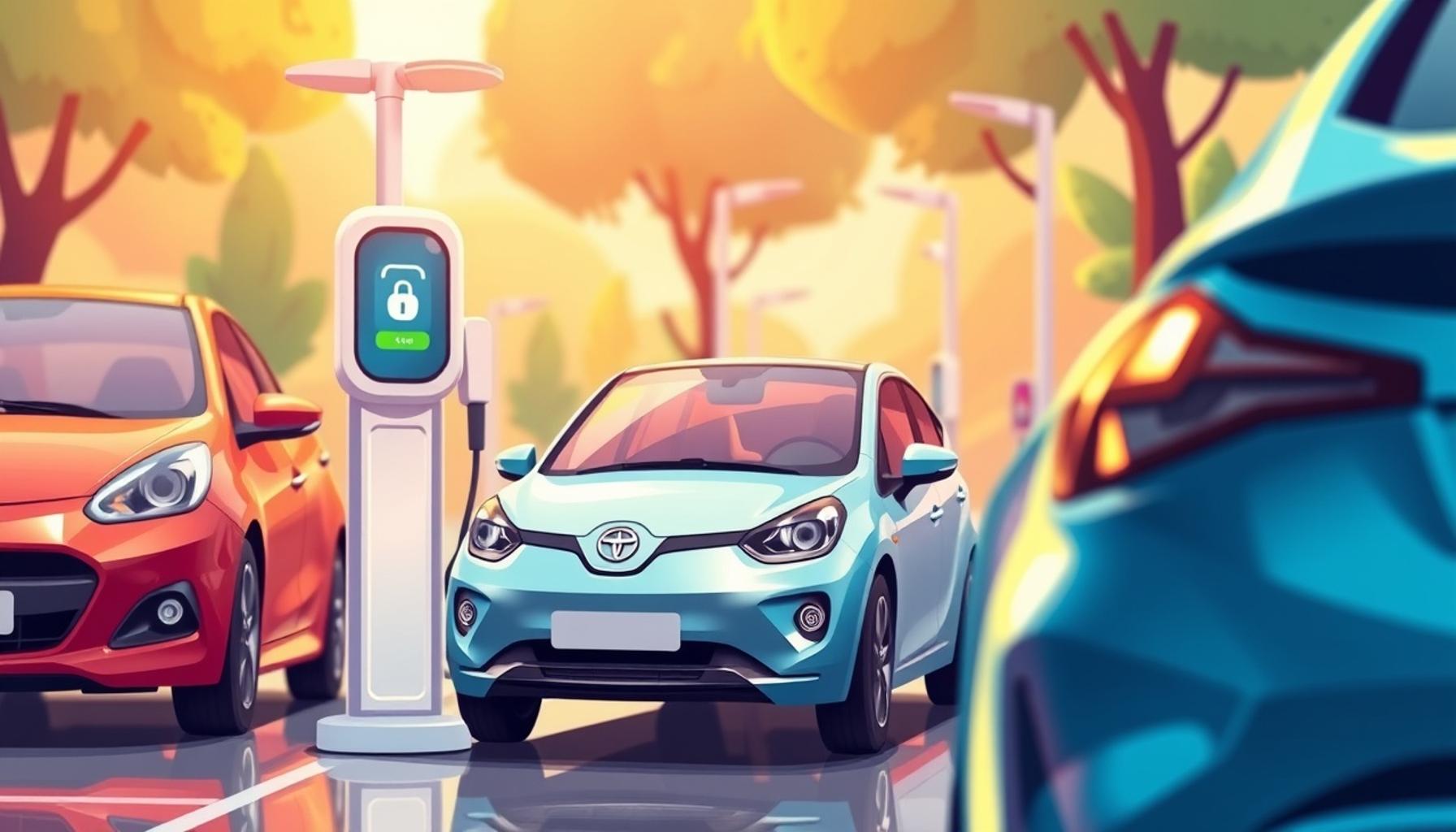
Understanding the Financial Aspects of Electric Vehicle Ownership
In recent years, electric vehicles (EVs) have surged in popularity, and this trend shows no signs of slowing down. As more consumers consider this eco-friendly alternative to traditional gasoline-powered cars, it’s essential to evaluate the financial aspects associated with EV ownership. While the initial purchasing cost can appear high, examining the overall financial benefits reveals that transitioning to an electric vehicle may be more feasible than it seems.
Evaluating Purchase Price and Incentives
The initial purchase price of an electric vehicle can vary widely, depending on the model, range, and features. For instance, while a compact EV might start around $30,000, luxury models can exceed $100,000. This discrepancy means it’s crucial for potential buyers to shop around and consider the specific needs that their vehicle must meet.
In addition to evaluating upfront costs, prospective buyers should take advantage of various incentives. In the United States, the federal government offers a tax credit for qualifying electric vehicles, which can be as much as $7,500. Many states also provide additional incentives, such as rebates or tax exemptions. For example, California offers rebates that can range from $1,000 to $7,000 depending on the vehicle’s battery capacity and household income level. This means the effective cost of the vehicle could drop considerably, encouraging more people to make the switch.
Exploring Financing Options
Financing an electric vehicle can be approached in several ways. Options include traditional auto loans, leasing agreements, and specialized financing programs offered by various banks and credit unions. Many financial institutions have recognized the growing interest in EVs and have tailored their financing products to meet this demand. For example, some companies offer lower interest rates specifically for electric car loans, which can save buyers a significant amount over the life of the loan. Understanding these options is crucial for creating a manageable payment plan.
Assessing Long-Term Costs and Benefits
Beyond the initial purchase and financing, it’s important to consider long-term expenses associated with owning an electric vehicle. One of the most compelling reasons to consider an EV is the potential for substantial fuel savings. Charging an electric vehicle typically costs much less than fueling a gasoline car. For example, while the average cost of electricity in the U.S. is about $0.14 per kilowatt-hour, gas prices can fluctuate significantly, often exceeding $3.00 per gallon. This disparity can lead to significant savings over time, especially for those who drive regularly.
Moreover, maintenance costs for electric vehicles tend to be lower due to the simpler mechanics involved. EVs have fewer moving parts than their gasoline counterparts, resulting in less frequent service needs—and fewer repairs. For instance, electric vehicles do not require oil changes, which is a regular expense for traditional vehicles. Additionally, since EVs utilize regenerative braking, brake wear is reduced, leading to less frequent replacements. These factors contribute to a lower total cost of ownership.
Finally, it’s important to consider the resale value of electric vehicles. As the market for used EVs expands, many models are retaining their value more effectively than anticipated. Factors like brand reputation, battery health, and consumer demand play critical roles in influencing this aspect. Understanding these dynamics can further help potential buyers assess the long-term return on their investment.
By thoroughly analyzing both the costs and the long-term financial benefits associated with electric vehicles, prospective owners can make well-informed decisions. As the landscape of automotive ownership continues to evolve, the financial advantages of EVs are becoming increasingly apparent, making them an appealing choice for budget-conscious consumers.
DIVE DEEPER: Click here to learn more
Understanding the Total Cost of Ownership
When contemplating the transition to an electric vehicle (EV), it’s essential to look beyond just the initial purchase price. The true financial picture encompasses the total cost of ownership, which includes all expenses incurred during the vehicle’s lifespan. This approach allows prospective owners to make a more informed decision that aligns with their financial goals.
Calculating the total cost of ownership involves several key components:
- Purchase Price: As mentioned earlier, this is the first hurdle. Different models come with varying price tags, influenced by the manufacturer’s brand, battery size, and additional features.
- Financing Costs: Depending on how buyers choose to finance their vehicle—whether through loans or leases—interest rates can vary significantly. Lower rates can lead to substantial savings over the repayment period.
- Insurance Rates: EVs can sometimes carry higher insurance premiums compared to traditional cars. This is often due to the costs of repair and replacement of specialized parts. However, it’s worth shopping around, as some insurers offer incentives for insuring electric vehicles.
- Charging Infrastructure: Home charging solutions, like installing a charging station, come with their own costs. Homeowners may also consider if their electric bill will increase significantly due to charging their EV. Alternatively, public charging stations may charge fees that can also add up over time.
- Resale Value: As the market evolves, understanding potential depreciation of an EV is essential. Certain brands and models may retain their value better than others due to brand reputation and battery lifecycle.
The combined insight from these components enables buyers to create a comprehensive budget, allowing them to assess how electric vehicle ownership fits into their financial plans.
Examining Energy Costs versus Fuel Expenses
One of the most appealing financial benefits of electric vehicles is the substantial savings on fuel costs. Unlike gasoline vehicles, which can fluctuate drastically in price, charging an EV can provide a more stable and often lower cost per mile. On average, it costs around $0.04 per mile to drive an electric car compared to approximately $0.14 per mile for a fuel-powered vehicle. This means that, for a driver covering 15,000 miles annually, the savings could amount to over $1,500 a year.
Additionally, many states are investing in charging infrastructure, enhancing access to affordable charging solutions. For example, public charging stations may offer lower rates during off-peak hours, allowing drivers to further optimize their energy costs. Moreover, some utility companies are rolling out special rates for EV owners, encouraging usage during times when demand is lower, which could translate into even more savings.
Overall, recognizing the potential for reduced operating costs can significantly change the perception of electric vehicle ownership. The financial advantages extend beyond the initial purchase, helping to clarify why so many are making the switch to electric cars.
DON’T MISS OUT: Click here for all the details
Incentives and Tax Credits to Consider
When financing an electric vehicle, it’s crucial to explore the various incentives and tax credits that can help offset the initial costs. The federal government, along with many state governments, has embraced electric vehicles by offering financial incentives designed to encourage adoption. Understanding these offers can significantly impact your out-of-pocket expenses when purchasing an EV.
For instance, the federal government offers a tax credit of up to $7,500 for qualifying electric vehicles. This means that if a buyer purchases a new EV that meets the criteria, they can deduct that amount from their federal tax liability. However, it’s essential to note that the availability of this credit is contingent on the manufacturer’s sales volume, so not all electric vehicles may qualify. Therefore, potential buyers should verify eligibility based on current regulations.
In addition to federal incentives, many states provide their own rebates or tax credits, which can further alleviate the financial burden. For example, California has implemented the Clean Vehicle Rebate Project, which offers rebates of up to $2,000 for eligible electric vehicles. Other states, such as New York and New Jersey, also provide financial assistance and incentives to promote electric vehicle adoption.
Aside from tax benefits, some local governments may offer additional perks to electric vehicle owners. These can include discounts on registration fees, access to carpool lanes, or free parking in designated areas. Taking advantage of these local incentives not only offers financial relief but can also enhance the overall driving experience.
Maintenance Costs: The Long-Term Picture
Another critical aspect to assess when considering the financing of electric cars is maintenance costs. Generally, electric vehicles are known for their lower maintenance expenses compared to traditional vehicles. This is due to the reduced number of moving parts in an electric drivetrain, which not only simplifies the mechanics but also leads to fewer components that might require replacement.
For example, electric cars do not require oil changes, and they experience less wear and tear on items such as brakes, largely due to regenerative braking systems that recapture energy during deceleration. As a result, owners may find themselves spending significantly less on routine maintenance. According to a study by the U.S. Department of Energy, electric vehicle owners can save around $1,000 or more in maintenance costs over the course of several years compared to gasoline counterparts.
However, it is important to be aware that electric vehicles may have unique maintenance requirements, particularly related to battery packs. If an EV’s battery needs replacement, the costs can be substantial, potentially ranging from $5,000 to $15,000 depending on the model. Fortunately, many manufacturers offer warranties that cover these battery issues for several years, giving consumers peace of mind regarding this significant investment.
Understanding these intricacies surrounding maintenance can help buyers weigh the long-term financial benefits of electric vehicle ownership. The prospect of reduced overall maintenance costs can be an appealing factor when deciding whether to finance an electric car.
DISCOVER MORE: Click here for the complete guide
Conclusion
In summary, financing an electric vehicle (EV) involves careful consideration of both upfront costs and long-term savings. The initial purchase price of an EV can often be higher than a conventional vehicle, which may deter some buyers. However, with federal and state incentives available, potential buyers can substantially reduce these initial expenses. For example, the federal tax credit of up to $7,500 can significantly lower the cost, making it more feasible for many households. Additionally, many states offer additional rebates or tax incentives that can range from $1,000 to $5,000. This combination of incentives exemplifies the financial support available to make electric vehicle ownership more accessible.
Moreover, as highlighted, the lower maintenance costs associated with electric vehicles present a compelling case for long-term savings. Unlike traditional internal combustion engine vehicles, EVs have fewer moving parts, which translates to less wear and tear. For instance, EV owners do not have to endure the costs of regular oil changes, which can run into hundreds of dollars annually for gas vehicles. The regenerative braking system in electric cars also reduces brake wear, leading to fewer brake pad replacements over time. While it’s crucial to consider potential battery replacement costs—typically needed only after 8 to 15 years—many manufacturers offer warranties that cover battery issues, often for a duration of 8 years or more, effectively mitigating fears of unexpected high expenses.
As the automotive landscape continues to evolve towards sustainability, the long-term financial benefits of owning an electric vehicle become clearer. In addition to the economic advantages, owning an EV contributes to reducing greenhouse gas emissions, thereby supporting environmental sustainability. For those living in urban areas, lower fuel and electricity prices compared to gasoline, alongside savings from maintenance, can result in substantial financial relief over the vehicle’s lifetime. Potential buyers should weigh not just the immediate costs, but also the positive implications for their financial future along with their environmental impact. Thus, when properly assessed, financing an electric car can prove to be a wise investment—not only enhancing personal savings but also contributing to a greener planet. By considering these factors, consumers will find that investing in an electric vehicle can lead to both financial savings and a positive environmental footprint.

Linda Carter
Linda Carter is a writer and expert known for producing clear, engaging, and easy-to-understand content. With solid experience guiding people in achieving their goals, she shares valuable insights and practical guidance. Her mission is to support readers in making informed choices and achieving significant progress.