
How the Economic Crisis Affects Style Preferences in the Fashion Industry
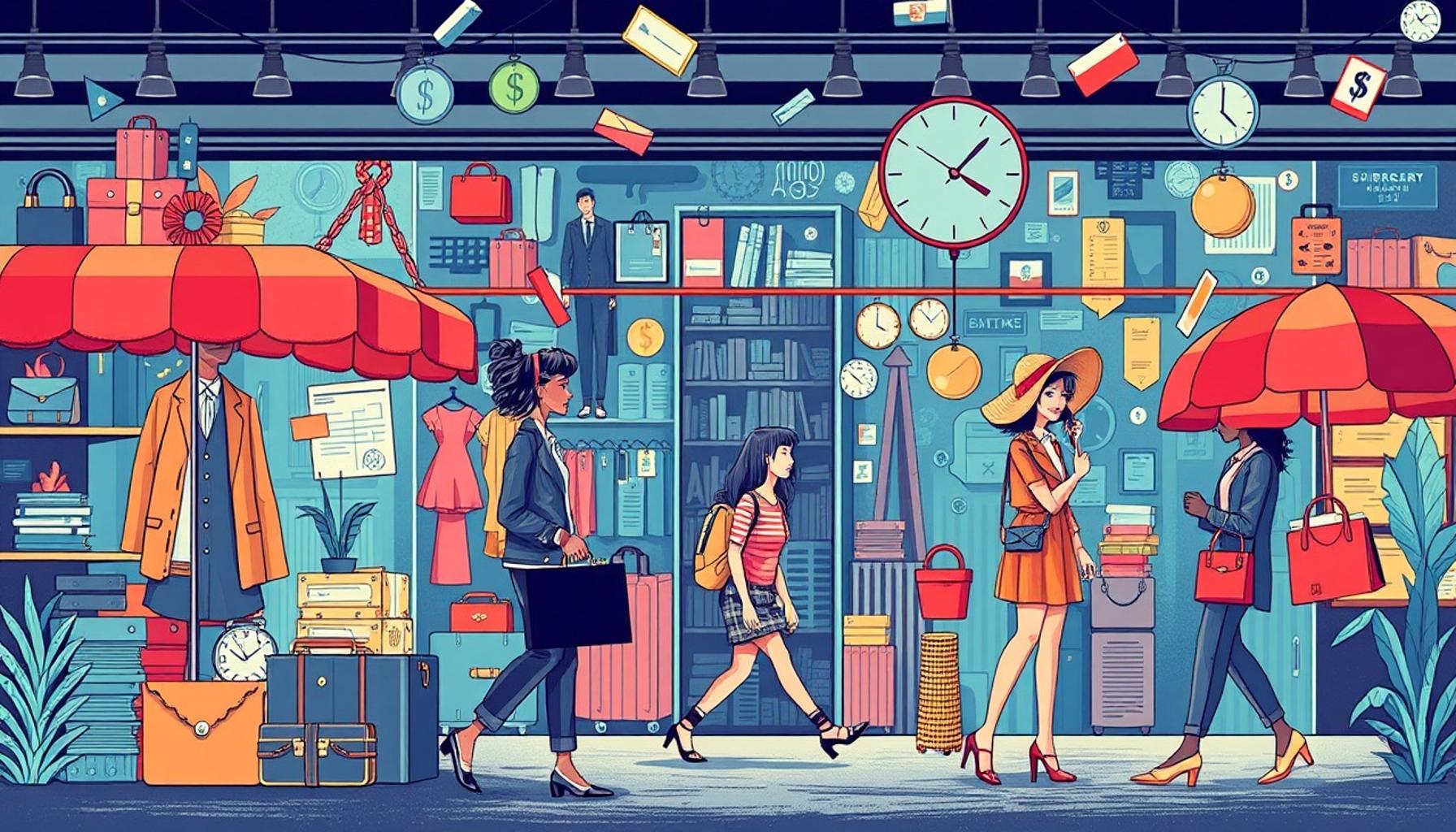
Understanding Consumer Behavior in Fashion
The relationship between economic conditions and consumer behavior in the fashion industry is complex and dynamic. Economic crises, such as recessions, significantly influence style preferences and ultimately reshape what consumers choose to wear. This transformation is essential for both consumers, who need to adapt their spending habits, and designers, who must respond to changing demands in the marketplace.
During periods of financial uncertainty, consumers often make thoughtful choices regarding their fashion purchases. Several key factors contribute to these changes:
- Budget Constraints: When economic conditions worsen, consumers frequently face tighter budgets. As a result, they prioritize affordability over flashy, designer garments. For example, during the Great Recession of 2008, many people turned to discount retailers like Target and Old Navy, leading to increased sales for these brands as shoppers sought stylish yet affordable options.
- Value over Trend: In challenging economic times, there is a marked shift from pursuing the latest fleeting trends to investing in timeless and versatile pieces that offer durability. Consumers may opt for classic wardrobe staples, such as a well-fitted blazer or a pair of quality jeans, which can be mixed and matched for various occasions. This preference for value over just trendiness helps consumers maximize their investment in clothing.
- Sustainability Focus: Economic difficulties often heighten awareness and concern about environmental issues. Many consumers begin to favor brands that prioritize sustainability and ethical practices, leading them to support companies that produce responsibly sourced clothing. This trend can be seen in the rising popularity of brands like Patagonia, which openly addresses environmental impacts, and Everlane, known for its transparent pricing and commitment to fair labor practices.
These shifts in consumer behavior can affect both high-end and mass-market fashion segments. Luxury brands, previously targeted at affluent consumers, are now rethinking their strategies to appeal to a broader audience. For example, some high-end brands have introduced more accessible capsule collections, providing styles that resonate with budget-conscious shoppers while maintaining their brand’s prestige.
To navigate these tumultuous times, fashion designers and brands must continuously adapt their offerings to meet evolving customer demands. This might involve rethinking marketing approaches, placing greater emphasis on direct-to-consumer sales channels, or even collaborating with emerging designers to create unique and appealing options at various price points.
In summary, the interplay between economic conditions and consumer behavior profoundly shapes the fashion landscape. By understanding these changes, both consumers and designers can better navigate the challenges posed by fluctuating market conditions, ensuring that style, affordability, and ethical considerations coexist harmoniously.
DIVE DEEPER: Click here for detailed application steps
Shifts in Fashion Trends During Economic Uncertainty
As economic conditions fluctuate, the fashion industry experiences significant changes that reshape style preferences among consumers. Each crisis tends to trigger specific behaviors, as individuals make deliberate fashion choices that reflect their financial reality. Understanding how these preferences change can provide valuable insights for both consumers and industry professionals.
One considerable outcome of an economic crisis is the emergence of a more pragmatic approach to fashion. In times of financial insecurity, consumers tend to shift their focus towards several key areas:
- Essentialism: As budgets tighten, shoppers are more inclined to purchase only essential items. This focus on essentialism encourages consumers to invest in pieces that are not only functional but also versatile. For instance, during past financial downturns, clothing items such as simple t-shirts, comfortable trousers, and sturdy outerwear have gained popularity as they serve multiple purposes. By opting for essentials, consumers can reduce the need for excessive purchases while still looking fashionable.
- Quality over Quantity: With limited disposable income, there is often a desire for higher-quality items rather than an abundance of cheaper alternatives. This change leads consumers to seek out clothing that is both well-made and durable, allowing them to avoid frequent replacements. Brands that emphasize craftsmanship, such as Eileen Fisher or J.Crew, often see increased interest during these times as consumers recognize the long-term value of investing in quality apparel.
- Secondhand and Vintage Shopping: Economic downturns also heighten the appeal of thrift stores and vintage shops. Shoppers looking for unique pieces at lower prices frequently turn to secondhand options. Platforms like Poshmark and ThredUp have seen substantial growth, offering consumers a way to find stylish garments without straining their budgets. This trend not only supports affordability but also encourages a circular economy, reducing waste in the fashion industry.
Additionally, the shift towards more practical fashion often extends to a change in consumer attitudes towards brand loyalty. Shoppers become increasingly selective with where they spend their money, gravitating towards brands that align with their values and offer transparency in production. This rising consciousness can drive certain brands to enhance their storytelling and build a stronger emotional connection with their audience. For example, brands that showcase ethical sourcing methods and labor conditions tend to earn trust and admiration from consumers who are seeking meaningful purchases.
In response to these evolving preferences, fashion brands must stay nimble and adapt their offerings accordingly. They may need to rethink their product lines and marketing strategies to resonate with a more budget-conscious consumer base. This adaptability can involve developing lines that focus on essential pieces, creating quality-centric marketing messages, or establishing partnerships with resale platforms to reach the burgeoning secondhand market.
Ultimately, understanding how economic crises influence style preferences is crucial for both consumers looking to make informed fashion choices and brands aiming to stay relevant in a changing landscape. By recognizing these shifts and emphasizing elements like essentialism, quality, and sustainability, everyone involved in the fashion world can foster a more resilient and thoughtful approach to style.
DISCOVER MORE: Click here to learn how to apply
Impact of Social Media and Influencers on Style Choices
In addition to the fundamental shifts in consumer behavior during an economic downturn, the role of social media and influencers has gained an even more significant foothold in shaping style preferences. During times of financial uncertainty, many consumers turn to social platforms not only for inspiration but also for navigating budget-friendly fashion solutions. This dynamic interplay between social media and economic conditions has profound implications for both shoppers and brands.
Social media platforms, particularly Instagram and TikTok, have emerged as vital sources of style inspiration and discovery. Influencers and fashion content creators often showcase affordable alternatives to high-end fashion. For instance, an influencer may style an outfit with pieces from fast-fashion retailers or thrift stores, guiding their audience on how to achieve trendy looks without breaking the bank. This trend encourages followers to adopt a mix-and-match mentality, allowing them to enjoy fashionable looks while remaining within their financial limitations.
Moreover, the rise of DIY culture cannot be overlooked. Many consumers are inspired to create their own fashion statements by upcycling or customizing thrifted items, further illustrating the resourcefulness that often arises in difficult economic times. Tutorials on platforms like YouTube show how to revamp old clothing into something new and stylish, tapping into the creativity of shoppers while saving costs. By encouraging this hands-on approach, social media not only enhances personal style but also fosters community engagement as viewers share their DIY projects.
Trendy hashtags, such as #OOTD (Outfit of the Day) or #ThriftFlip, have become popular among fashion enthusiasts eager to showcase their budget-friendly choices. This increased visibility into accessible fashions empowers consumers to feel confident in their style choices, irrespective of their financial situation. Additionally, the virality of such posts can lead to a re-evaluation of societal beauty standards, as diverse body types, personal styles, and culturally inclusive clothing gain greater representation.
Furthermore, the pandemic has accelerated a trend known as “athleisure,” a blend of athletic wear and casual fashion that prioritizes comfort without sacrificing style. As work-from-home practices became commonplace, many consumers leaned towards stylish yet comfortable attire, altering what they deemed acceptable dress for both home and virtual interactions. Brands that adapted to this casual, flexible aesthetic thrived, recognizing the shifting attitudes towards comfort and aesthetics, which are imperative during an economic crisis.
Brands that wish to remain relevant amidst these economic challenges must actively engage with social media trends and influencers while also being attuned to their audience’s evolving style preferences. Collaborations with influencers who embody the values of affordability, sustainability, and creativity can attract a wider customer base. Social media campaigns that highlight diverse styles can resonate with consumers who wish to express their individuality, even on a budget.
In essence, the intersection between economic crises and style preferences is multifaceted, revealing the profound impact that social media has on fashion choices. By leveraging the power of digital platforms, brands and consumers can navigate uncertain economic landscapes together, fostering creativity and use of resources while elevating personal style to new heights.
DISCOVER MORE: Click here to learn how to apply
Conclusion
The intricate relationship between economic crises and style preferences in the fashion industry reveals how financial pressures can reshape consumer behavior and brand strategies. As individuals face tighter budgets, they increasingly turn to affordable fashion alternatives and innovative style solutions inspired by social media. This shift promotes a culture of creativity, where consumers explore thrifted or upcycled options, engaging in the growing DIY movement that allows for personal expression without overspending.
Furthermore, the rise of influencers and online communities plays a pivotal role in this transformation. They not only offer style inspirations that cater to a broader audience but also champion the things that matter in these challenging times—sustainability, cost-effectiveness, and inclusivity. This evolution encourages consumers to feel empowered in their fashion choices, regardless of their financial situation. The popularity of styles like athleisure exemplifies how comfort has taken precedence in a world where home has become the new workplace, altering our perceptions of what constitutes appropriate fashion.
For brands, adapting to these changes is crucial. Embracing the challenge posed by economic constraints means engaging meaningfully with social media trends and understanding their audiences’ shifting needs. By fostering collaborations with like-minded influencers and promoting diverse styles, brands can retain relevance and attract a loyal customer base. Ultimately, the evolving landscape of fashion during economic crises is not just about survival; it’s an opportunity to redefine style in ways that reflect our current values and collective resilience.
