
The Impact of the Automotive Industry on Fashion Styles: Trends Inspired by Cars
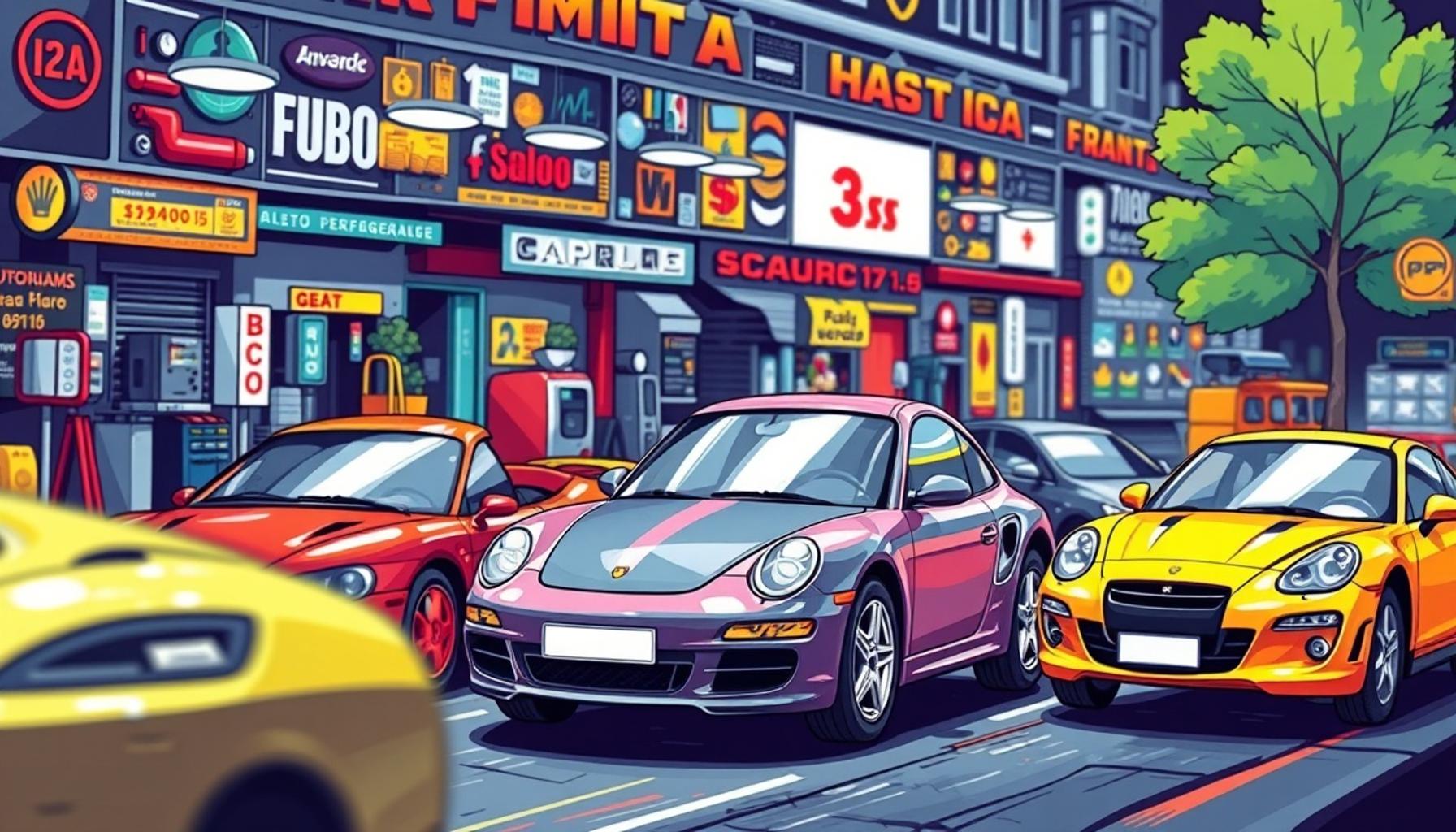
Understanding the Automotive-Fashion Connection
The bond between the automotive industry and fashion is an intriguing aspect of modern culture, revealing how two seemingly different worlds can influence each other profoundly. This interplay not only enhances our aesthetic choices but also reflects broader societal shifts, such as the growing importance of sustainability and innovation in design.
Color Palettes
Color palettes are one of the most striking evidences of the automotive influence on fashion. Car manufacturers typically debut new, bold colors annually, aiming to capture consumer interest. For example, the vibrant “Electric Blue” seen on the latest Tesla models inspired fashion designers to adopt similar bright hues in their spring collections. Major fashion weeks in cities like New York and Paris often feature garments that echo these automotive shades, highlighting a synchronization between runway and roadway.
Silhouettes
The silhouettes of cars have proven to be an important source of inspiration for clothing design. The sleek curves and aerodynamic shapes found in modern automobiles can be reflected in the contours of dresses and suits. For instance, a designer might create a gown that mirrors the fluidity of a luxury sports car, emphasizing a striking visual appeal. This fusion of automotive aesthetics often leads to clothing that not only flatters the body but also conveys a sense of movement and excitement, much like the vehicles themselves.
Materials
Materials also play a significant role in bridging automotive and fashion trends. Innovative substances originally created for cars, such as synthetic leather and lightweight composites, are now commonly utilized in high-fashion items. For example, brands like Stella McCartney have been known for their use of eco-conscious materials that parallel advancements in automotive engineering, such as sustainable fabrics inspired by car upholstery. This cross-industry borrowing allows designers to create pieces that are not only stylish but also environmentally friendly.
Collaborations and Cultural Synergy
The collaborations between automotive companies and fashion brands further deepen this relationship. For instance, the partnership between BMW and fashion designer Karl Lagerfeld produced a limited-edition vehicle that celebrated both automotive craftsmanship and high-end fashion. Such collaborations not only heighten product visibility but also foster creative exchanges that push both industries to evolve. These introductions blend sophistication with functionality, appealing to a diverse audience ranging from car enthusiasts to fashion aficionados.
As we continue to explore how automotive trends influence our clothing choices, it’s essential to recognize that this dynamic is not merely about aesthetics. It reflects broader cultural movements concerning lifestyle and identity. Whether worn for practicality or as a form of personal expression, our fashion choices resonate with inspirations drawn from the elegant lines of cars and the evolving technology behind them.
In the landscape where fashion meets automotive design, we find a compelling narrative that speaks to creativity, innovation, and shared values that shape our lives today. From the colors we wear to the materials we choose, this fascinating blend offers insight into how we express ourselves in an ever-evolving world.
DISCOVER MORE: Click here to dive deeper
Design Elements and Functional Inspiration
The influence of the automotive industry on fashion extends beyond colors and materials; it also permeates design elements and functionality. Designers often draw inspiration from the intricate details found in automobiles, mirroring these qualities in their collections. This connection can be seen in various design aspects, from zipper styles to stitching patterns, which echo the sophisticated engineering of vehicles.
Aerodynamic Design
At the heart of many fashion trends inspired by cars is the concept of aerodynamic design. The way a car is sculpted for speed and efficiency often translates into apparel that emphasizes sleek lines and a streamlined appearance. For example, bodysuits and fitted dresses have gained popularity, reflecting the aerodynamic shapes of high-performance sports cars. These garments not only enhance the wearer’s figure but also create a dynamic presence, reminiscent of a car cutting through the wind. Designers like Balenciaga and Alexander Wang have embraced this concept by crafting pieces that echo the contours of advanced automotive designs, showcasing how elegance and performance can coexist in fashion.
Functional Features
Another significant area of overlap between the automotive and fashion industries is the use of functional features in contemporary clothing. Much like cars that integrate advanced technology for safety and usability, fashion has increasingly incorporated practical elements into designs. This includes:
- Multi-pocket garments: Inspired by the need for storage in vehicles, many fashion lines have adopted designs featuring multiple pockets, allowing for both style and functionality.
- Water-resistant fabrics: Just as cars are engineered to withstand the elements, fashion brands are utilizing innovative, water-resistant materials, which not only look good but also serve a practical purpose.
- Adjustable and modular designs: Reflecting the customizable nature of cars, some fashion designers offer pieces that can be adjusted or modified for different looks, catering to consumer demand for versatility.
This thoughtful integration of functionality into fashion speaks to a broader cultural movement towards convenience and adaptability in our daily lives. As consumers navigate busy urban environments, the importance of clothing that merges style with practicality continues to grow, signaling that what we wear needs to perform just as well as it looks.
Brand Identity and Lifestyle
The intersection of automotive branding and fashion also plays a crucial role in shaping personal style and brand identity. Many luxury car manufacturers align themselves with high-end fashion labels to promote a lifestyle associated with performance, elegance, and innovation. For example, collaborations like that of Lamborghini and renowned designers create exclusive merchandise that embodies the spirit of both brands. These partnerships resonate with consumers who aspire to be associated with the prestige of both the automotive and fashion worlds.
As we delve deeper into this relationship, it becomes evident that the automotive industry is not merely an external influence on fashion but a vital contributor to its evolution. The intersections of design, functionality, and brand identity reflect broader lifestyle choices and preferences, emphasizing the significance of this dynamic connection in today’s fashion landscape.
DIVE DEEPER: Click here for full details
The Role of Color and Materials in Fashion
The relationship between the automotive industry and fashion is not only reflected in design and functionality but also significantly in the use of color and materials. Car manufacturers have a long history of using striking color palettes and innovative materials to catch consumers’ eyes, and this practice has increasingly influenced fashion designers eager to capture similar attention.
Color Trends Borrowed from Automotive Paints
Color plays a central role in both industries, as seen in the emergence of fashion trends inspired by the stunning automotive finishes. The rise of bold hues, particularly those that reflect the metallic and pearlescent paints found on luxury vehicles, has created a new avenue for self-expression in fashion. Renowned designers have embraced colors like deep blues, fiery reds, and sleek silvers, mimicking the glittering exteriors of high-end cars. Brands like Mercedes-Benz have even collaborated with fashion houses to develop exclusive color palettes, showcasing how shades inspired by vehicles can set the tone for seasonal collections. This blending of color palettes emphasizes a shared cultural aesthetic, making them synonymous with luxury and sophistication.
Innovative Materials and Textures
In addition to color, the materials used in automotive manufacturing have made their way into the world of fashion, pushing designers to rethink traditional fabrics. The introduction of synthetic leathers, originally designed for car interiors, has inspired many fashion brands. These textiles provide not only durability but also a cutting-edge aesthetic that resonates with modern consumers. For example, brands such as Stella McCartney have pioneered the use of biodegradable materials and sustainable fabrics that mimic the luxe feels of traditional leather, reflecting a growing consciousness about environmental impact within both industries.
Moreover, the automotive industry’s use of technical fabrics—such as those engineered for performance in racing cars—has also crossed over into fashion. With athletic wear gaining traction in mainstream style, materials that offer breathability, stretch, and moisture-wicking capabilities have become desirable features in everyday clothing. For instance, brands like Nike and Adidas have leveraged principles from automotive technology to engineer garments that perform under pressure, providing both style and comfort for active lifestyles.
The Influence of Iconic Car Designs on Fashion Accessories
The iconic shapes and curves of classic cars have also shaped the design of fashion accessories. From handbags resembling the sleek curves of a vintage coupe to jewelry inspired by engine parts, car designs have provided a wealth of inspiration for accessory designers. This trend can be seen in the rise of structured handbags and bold statement necklaces that borrow attributes from automotive engineering, such as smooth finishes and geometric shapes. Designers like Moschino have famously pulled on themes from automobiles, creating whimsical collections that merge high fashion with elements reminiscent of car culture.
The symbiotic relationship between the automotive industry and fashion demonstrates a vibrant exchange of ideas that continuously reshapes consumer preferences. As these industries intertwine, the impact of automotive culture on fashion styles persists, revealing not just a fascination with cars but also an understanding of how this connection shapes our identities and expressions through clothing.
DISCOVER MORE: Click here to learn how social media is reshaping automotive marketing
Conclusion
In summary, the profound relationship between the automotive industry and fashion styles is evident through the mutual influence on design, color, materials, and accessory aesthetics. The trend of borrowing vivid color palettes from automotive finishes illustrates how the automotive world captures the spirit of self-expression that resonates deeply within fashion. The popularity of shades inspired by luxury vehicles not only boosts visibility in fashion collections but also conveys an underlying message of sophistication.
Moreover, innovative materials originating from car manufacturing, such as synthetic leathers and performance fabrics, are redefining traditional fashion sensibilities. This integration not only enhances the durability and functionality of garments but also promotes a shift towards environmentally conscious choices in product design. As brands like Stella McCartney and Nike have shown, the intersection of technology and style in clothing can cater to the lifestyles of modern consumers.
Additionally, the iconic designs of automobiles have left their mark on fashion accessories, giving rise to unique creations that mirror the curves and materials of classic vehicles. This crossover indicates a larger cultural relevance, where fashion doesn’t merely reflect personal style but also draws inspiration from the machinery and designs that symbolize freedom and innovation.
Ultimately, as the automotive industry continues to evolve, its impact on fashion will likely persist, fostering ever more creative collaborations that redefine our understanding of style. Recognizing this shared narrative between automobiles and fashion not only highlights a fascinating interplay between two dynamic industries but also emphasizes how they inform and shape our identities in the contemporary world.