
The Intersection of Fashion and Automobiles: How Car Brands Are Collaborating with Clothing Designers
Introduction to Fashion & Automotive Collaborations
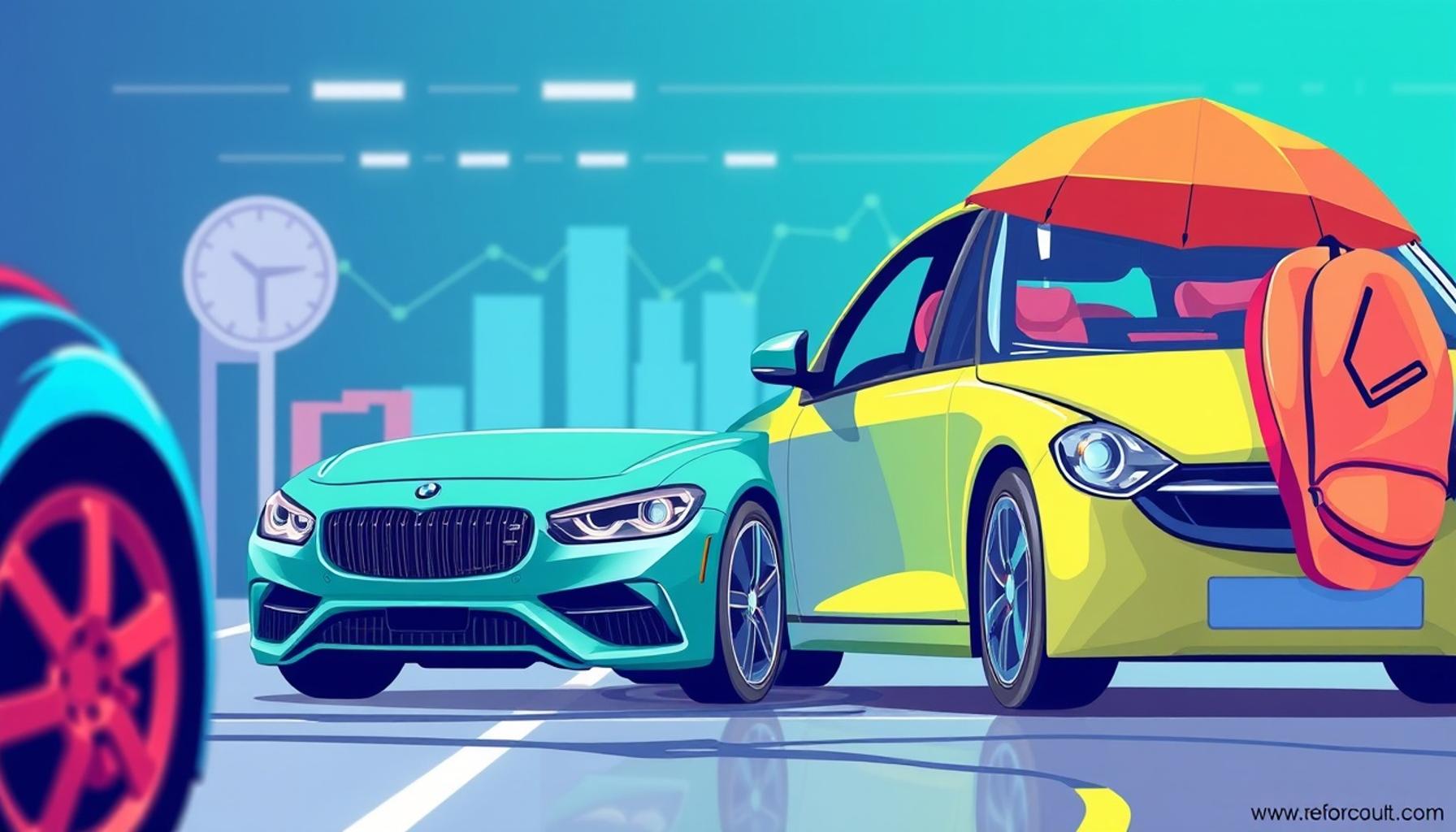
The world of fashion and automobiles has witnessed a fascinating evolution. Increasingly, car brands are partnering with renowned clothing designers to create unique collections that reflect both style and innovation. This collaboration goes beyond mere branding; it’s about artistry and lifestyle. The intersection of these two dynamic industries has given rise to innovative products that appeal to both car enthusiasts and fashion lovers alike.
This phenomenon is not merely about slapping logos on garments. It is a carefully curated blend of aesthetics, functionality, and cultural relevance. Each partnership brings its unique flair, drawing inspiration from the rich histories of both fashion and the automotive sector. For instance, the Camaro x Ralph Lauren collection combines the robust design of classic American muscle cars with the elegance and refined craftsmanship typical of high fashion. The result is a collection that resonates with those who value both speed and style.
Another remarkable collaboration is the Mini Cooper x Paul Smith partnership, which showcases vibrant colors and striking patterns reminiscent of the iconic British designer’s work. Known for his colorful and whimsical approach to design, Paul Smith imbues the Mini Cooper apparel line with a playful spirit, catering to a younger, design-conscious audience that appreciates individuality and expression. This partnership emphasizes how vehicles can be reimagined as fashion statements, appealing to both driving enthusiasts and style aficionados.
Additionally, the marriage of luxury car brand Mercedes-Benz with Hugo Boss delivers a range of sleek, automotive-inspired apparel. This collection highlights sophisticated silhouettes and understated elegance, resonating with a clientele that values both class and comfort. The collaboration demonstrates how luxury brands can successfully intertwine their identities with the automobile world, thereby broadening their consumer base while reinforcing their prestigious image.
The impact of such collaborations is significant, as they redefine how consumers engage with both fashion and automobiles. They allow individuals to curate their identities through lifestyle choices, seamlessly blending their love for stylish vehicles with their fashion sense. As we explore this trend further, we will delve into the motivations behind these collaborations and their impact on the market, exemplifying the transformative power of creativity and partnership across industries.
DISCOVER MORE: Click here to find out how to apply for the Luxury Mastercard Black
The Dynamics of Fashion and Automotive Partnerships
To understand the growing partnership between fashion and automotive industries, it is essential to recognize the underlying motivations driving these collaborations. Car brands are increasingly tapping into the world of fashion in an effort to enhance their brand image, reach new audiences, and capitalize on the emotional connections people have with both clothing and cars. The allure of luxury automobiles and high-fashion clothing represents a lifestyle that many aspire to, and these collaborations serve to elevate both sectors.
One primary motivation behind these partnerships is the quest for brand differentiation. In a competitive market, car brands aim to set themselves apart from rivals, and what better way to do that than by aligning with fashion designers known for their unique styles and creativity? Collaborating with a reputable designer can lend an air of exclusivity and fashionability to a car brand, appealing to a demographic that values prestige.
Moreover, such partnerships enable automotive brands to reach an extended customer base. For instance, a collection designed by a popular fashion icon might attract a younger audience that may not have previously considered a certain car brand. This can be particularly impactful in segments where aesthetics heavily influence purchasing decisions, such as in the luxury market.
Benefits for Fashion Designers
The benefits are not one-sided. Fashion designers also gain immensely from partnering with car brands. By associating themselves with automobiles, they can leverage the following advantages:
- Increased visibility: Collaborations with automotive brands can amplify a designer’s reach, bringing their work to a broader audience.
- Cross-industry appeal: By merging fashion with automotive design, fashion designers tap into new markets, attracting automobile enthusiasts who might become fans of their clothing lines.
- Innovation in design: Working with automotive teams allows fashion designers to explore new materials and technologies, enriching their collections with fresh perspectives.
For example, the Jaguar x Alexander McQueen collaboration highlights how seamless design can resonate in both fields. This partnership reflected the sleekness and performance of Jaguar cars, while incorporating McQueen’s bold and theatrical designs. The results exemplified how two iconic brands can come together to create something extraordinary, fusing high fashion with state-of-the-art automotive engineering.
Ultimately, these collaborations are not just marketing strategies; they are a form of artistic expression that celebrates both fashion and automobiles. By bridging the gap between these two worlds, car brands and fashion designers are paving the way for innovative and aesthetically pleasing products that reflect the evolving tastes of modern consumers. The next section will explore specific collaborations that made significant impacts on both industries, showcasing the transformative potential of these partnerships.
DISCOVER MORE: Click here for details
Iconic Collaborations Shaping the Landscape
As we delve deeper into the exciting intersection of fashion and automobiles, it is worth exploring some iconic collaborations that have made waves across both industries. These partnerships are often marked by creativity, innovation, and a mutual desire to push boundaries, ultimately resulting in products that captivate consumers.
One prominent example is the collaboration between Mercedes-Benz and High Fashion Designer Karl Lagerfeld. This partnership resulted in a limited-edition collection of vehicles featuring exclusive design elements inspired by Lagerfeld’s signature style. The interiors of these cars were adorned in luxurious materials, showcasing classic elegance and artistry that appealed directly to both car enthusiasts and fashion aficionados alike. By combining cutting-edge automotive engineering with high-fashion aesthetics, Mercedes-Benz successfully drew attention from fashion-forward consumers who may not have previously been inclined to invest in luxury automobiles.
Another noteworthy collaboration features the partnership between Fiat and Fashion House Gucci. The Gucci Fiat 500 was launched as a reflection of modern Italian design, merging two iconic brands into a singular lifestyle experience. This unique vehicle incorporated Gucci’s recognizable green-red-green stripes and other signature design elements, ultimately creating a car that was not just a mode of transportation but a fashion statement. The collaboration tapped into the growing trend of personal expression through vehicles, as consumers increasingly seek cars that reflect their individual styles.
The Impact on Brand Identity
These collaborations extend beyond aesthetics; they significantly alter brand identity in the eyes of consumers. By collaborating with fashion designers, automotive brands can establish themselves as culturally relevant and in tune with modern lifestyles. Car brands that may have once been perceived solely as manufacturers of vehicles can now be seen as contributors to the fashion dialogue, aligning themselves with art, culture, and lifestyle choices.
In a similar vein, the BMW and fashion designer Stella McCartney partnership highlights how these collaborations can drive brand messages centered around sustainability and ethics. McCartney’s commitment to eco-friendly fashion directly aligned with BMW’s initiative to promote sustainable transportation solutions. The limited-edition BMW i3, which drew its styling from McCartney’s designs, showcased how fashion and automotive industries could not only coexist but also amplify messages that resonate with socially-conscious consumers.
Moreover, the benefits are not restricted to product offerings alone. These collaborations serve as platforms for sharing knowledge and expertise between industries, stimulating innovation by encouraging designers to think outside the box. When car manufacturers collaborate with visionary designers, it leads to cross-pollination of ideas that enhance both fields. A fashion designer might contribute insights into color trends and how materials move and feel, while an automotive engineer can introduce designers to advanced production techniques and possibility.
The interconnectedness of these industries speaks to the power of collaboration. As car brands partner with clothing designers, they are not merely creating products; they are crafting experiences that resonate deeply with consumers, offering them the chance to express their identity through both their choice of vehicle and their style of clothing.
DISCOVER MORE: Click here for the full details
Conclusion
The intertwining of the fashion and automotive industries illustrates a captivating evolution in how brands connect with consumers. Through collaborations, car manufacturers and clothing designers have transcended mere commercial relationships, creating unique experiences that resonate on multiple levels. These partnerships allow brands like Mercedes-Benz and Gucci to infuse their identity with fresh perspectives, resulting in products that are both aesthetically pleasing and reflective of modern consumer values.
Moreover, the merging of these two worlds speaks to a larger shift in consumer behavior. Today’s buyers crave personalization and authenticity and are keen on expressing their individuality through the products they choose. Car brands are recognizing this desire and reshaping their offerings to align with stylish, conscious lifestyles. The collaboration between BMW and Stella McCartney highlights this trend, showcasing how sustainable practices can harmonize with cutting-edge design.
Ultimately, the fusion of fashion and automobiles is more than just a marketing strategy; it’s a testament to the power of creativity and innovation. As these industries continue to collaborate, we can anticipate exciting developments that not only redefine consumer products but also facilitate deeper connections with audiences who value the artistry behind the brands they support. The intersection of fashion and automobiles opens up new avenues for expression, inviting consumers to explore the narratives that accompany their vehicles and wardrobes.

Linda Carter
Linda Carter is a writer and expert known for producing clear, engaging, and easy-to-understand content. With solid experience guiding people in achieving their goals, she shares valuable insights and practical guidance. Her mission is to support readers in making informed choices and achieving significant progress.