
The Intersection of Fashion and Finance: How Investing in Brand Clothing Can Be Profitable
The Value of Fashion as an Investment
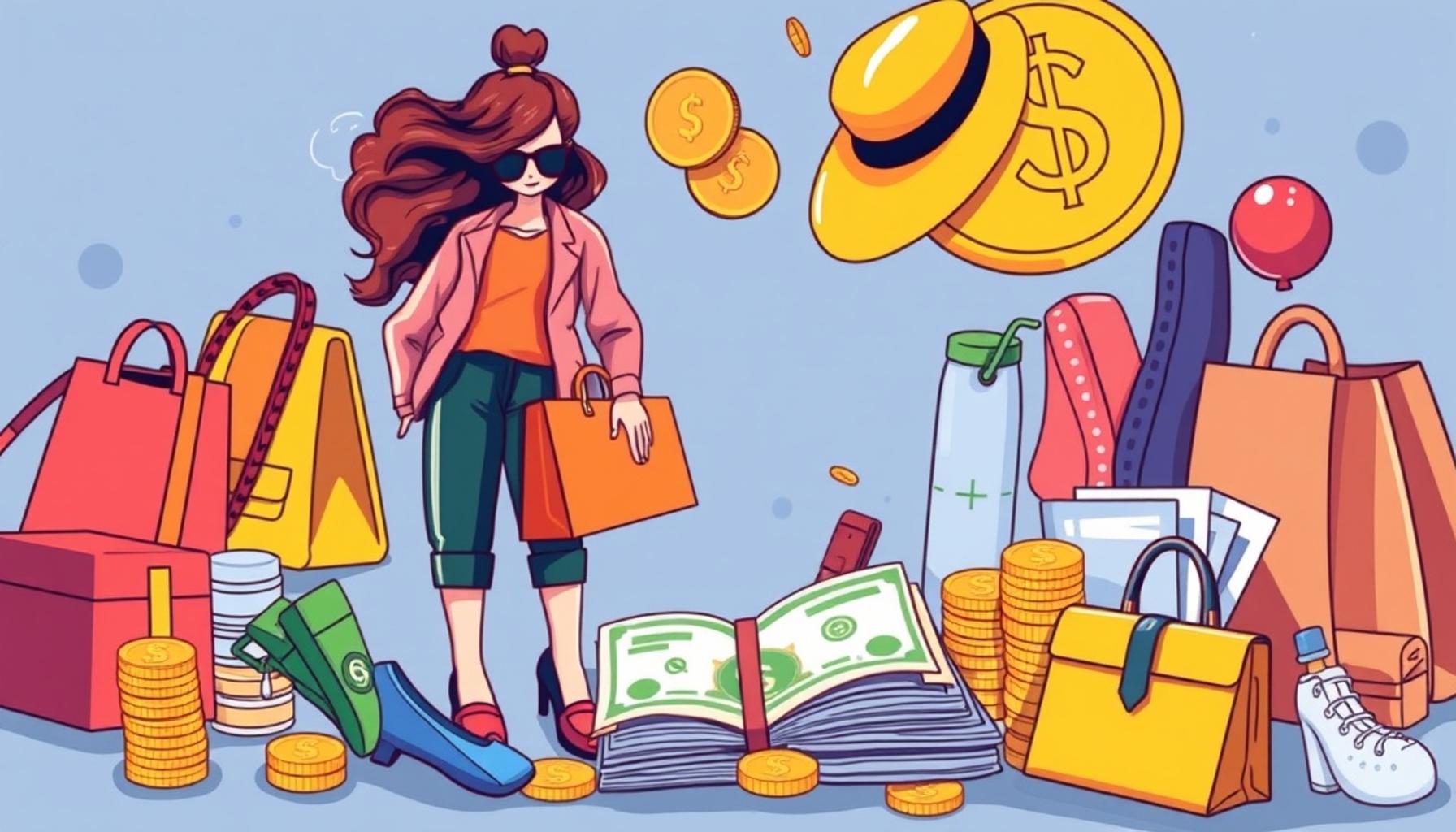
Fashion serves not only as a canvas for artistic expression but also as a surprisingly effective investment opportunity. Just like stocks or real estate, certain garments can increase in value over time, creating a unique intersection of utility and wealth-building potential. Understanding this dynamic can inspire both fashion enthusiasts and financial investors to explore opportunities within the realm of clothing.
Scarcity and Demand
One of the leading factors that can enhance the value of fashion items is scarcity. When designers release limited edition collections, they often generate buzz and excitement among consumers, leading to higher demand. For instance, consider a pair of sneakers released as part of a limited collaboration between a famous designer and a sportswear brand. Once the shoes sell out, collectors often return to the market to pay a premium for these hard-to-find editions. The result? Prices can soar well above the original retail value, especially for iconic collaborations like those between Nike and Off-White.
Brand Reputation
Another critical factor to consider is the brand reputation. High-end brands such as Chanel, Gucci, and Louis Vuitton have established a history of maintaining or increasing their value across years. For example, a classic Chanel handbag can appreciate significantly due to its timeless appeal and the brand’s well-regarded status in luxury fashion. Buyers often seek out vintage pieces, recognizing that they are not merely purchasing a bag, but a storied piece of fashion history that may hold its value better than many stocks.
Condition and Authenticity
The condition of the item plays a vital role in its resale value. Well-maintained items with proper tags and documentation tend to command higher prices. For example, a pristine Louis Vuitton bag that has been carefully stored and comes with its original box and authenticity card can be sold for a considerable markup compared to a similar bag that shows signs of wear. This principle of ‘condition’ underscores the importance of treating fashion items with care as their value can fluctuate based on how they have been maintained over the years.
Investment Mindset
Investing in clothing much resembles trading traditional assets, where having the right knowledge is crucial. Staying informed about market trends, understanding fashion histories, and keeping an eye on emerging designers can significantly enhance your chances of financial success in this niche market. For example, taking note of rising designers who have captured the attention of fashion critics may hint at future collectibles that could appreciate in value.
Ultimately, combining a passion for fashion with a strategic approach can yield rewarding results, transforming an ordinary wardrobe into a valuable portfolio. So, whether you’re a dedicated fashionista or a savvy investor, consider the potential of your collection as not just clothing, but as an investment opportunity that’s worth exploring.
DIVE DEEPER: Click here to learn more</
Understanding Market Dynamics in Fashion Investment
Investing in fashion items demands a keen understanding of the market dynamics that influence the value of clothing. Just as investors analyze economic indicators for stocks, fashion investors should look at various factors—including consumer behavior, market trends, and economic conditions—that impact the resale value of garments. Recognizing these trends can provide insights into when to buy, hold, or sell fashion items.
Consumer Behavior and Trends
Consumer behavior plays a pivotal role in determining the demand for certain fashion items. Over the years, we’ve seen shifts in preferences that can drastically affect market values. For example, the growing interest in sustainable fashion has led to a rise in demand for eco-friendly brands and second-hand clothing. Many consumers are now inclined to invest in brands that align with their values, thus driving prices up for limited-edition collections that focus on sustainability.
Here are some key trends influencing consumer behavior in the fashion market:
- Collaborations and Partnerships: When established brands collaborate with up-and-coming designers or popular figures, they often create hype and urgency in the market. Think of the success of the collaboration between Adidas and Kanye West, which brought the Yeezy line into the spotlight.
- Social Media Influence: Platforms like Instagram and TikTok can propel specific items into the fashion consciousness, leading to skyrocketing demand and resale values for trending items.
- Vintage Appeal: There has been a surge in the popularity of vintage clothing, with consumers increasingly drawn to unique, one-of-a-kind pieces that offer a sense of nostalgia.
The Role of Economic Conditions
The health of the economy can also have a substantial impact on the fashion investment market. During economic downturns, luxury items may see a dip in demand as consumers tighten their wallets. Conversely, in a thriving economy, discretionary spending on luxury goods often increases, propelling prices upward for designer items and high-end streetwear. Investors keeping a pulse on economic indicators, such as consumer confidence indexes and employment rates, can better time their purchases to align with favorable market conditions.
Additionally, understanding the seasonal cycles within the fashion industry can provide strategic advantages. Fashion weeks, when designers unveil their collections, can heavily influence the resale market. Items from collections that receive widespread acclaim can see immediate price increases, while others may take longer to appreciate based on consumer sentiment and relevance.
In conclusion, navigating the intersection of fashion and finance requires a multifaceted approach. Investors must combine a passion for fashion with analytical thinking about market trends and consumer behavior. By doing so, clothing enthusiasts can turn their wardrobes into valuable financial assets, enhancing both their style and potentially their wealth.
DISCOVER MORE: Click here to learn how to apply for the Bank of America Premium Rewards credit card</
Valuing Apparel: Inflation, Rarity, and Authentication
Understanding how to value fashion investments is as crucial as recognizing market dynamics. Several core principles play a role in how fashion items appreciate in value, including inflation, rarity, and authentication. Each of these factors contributes to how well a piece can perform over time in the resale market, making them essential considerations for potential investors.
The Impact of Inflation
Inflation affects all areas of finance, including fashion investment. With rising costs of materials and production, the value of designer items tends to increase, particularly if they are new releases. A classic example is seen in high-demand luxury brands like Chanel or Gucci, which often see their prices rise annually. As production costs climb, the retail prices for these brands reflect this change, meaning that items purchased today may sell for significantly more within a few years.
Investors should also consider that in an inflationary period, consumers may seek to invest in tangible items, such as luxury clothing, as a means of preserving value. This shift towards physical goods can create a more competitive market, driving up demand and enhancing resale metrics for investment-minded individuals.
Rarity and Exclusivity
The principle of rarity is a powerful driver of value in the fashion world. Limited-edition releases, unique collaborations, and items that are part of a designer’s final runway show often become highly sought after. For instance, Nike’s limited-edition Air Jordans can sell for many times their original retail price due to their scarcity. This demonstrates that knowledge about how many pieces are available, and the reputation of the designer behind them, can provide insight into their potential appreciation.
Another example is the luxury brand Hermès, particularly famed for its Birkin bags. The waiting list for these bags can span years, and once they are in the hands of a consumer, they often appreciate dramatically in value due to their limited nature. Fashion investors should keep an eye on the release schedules of brands known for their exclusivity to make informed purchasing decisions.
The Importance of Authentication
As a cautionary note, when investing in designer clothing, authentication is vital. Counterfeit items have become increasingly sophisticated, and falling victim to a fake can completely undermine an investment. Understanding how to authenticate items—such as checking labels, stitching, and serial numbers—is essential for ensuring that what you’re buying is genuine. Third-party authentication services have emerged that offer verification for high-end fashion items and can add an extra layer of security for investors.
One practical approach is to familiarize yourself with trusted resale platforms such as The RealReal or StockX, which include authentication processes to ensure that items sold are legitimate. These platforms also provide transparency about the historical prices of items, giving investors valuable data to guide their purchases and trades.
Overall, a successful investment strategy in fashion hinges on understanding these factors—whether it be leveraging inflation trends, scouting for rare items, or ensuring authenticity. Each aspect contributes to maximizing the potential for profit while navigating the ever-evolving landscape of fashion investment.
EXPLORE MORE: Click here to find out how to apply
Conclusion
In conclusion, the intersection of fashion and finance highlights an intriguing opportunity for savvy investors looking to diversify their portfolios. By understanding the fundamental aspects of inflation, rarity, and authentication, individuals can navigate the fashion market with greater confidence and foresight. For instance, during periods of high inflation, luxury goods often maintain or even increase in value as consumers seek secure investment avenues. Iconic pieces from designers like Chanel or Hermès can serve as hedges against inflation, making them attractive for investors aiming to preserve their capital.
Furthermore, the allure of exclusive and limited-edition items can significantly impact their market price. Scarcity drives demand, as evidenced by the skyrocketing prices of limited-run sneakers or rare handbags. For example, a limited edition collaboration between Nike and a prominent designer can turn a pair of sneakers into a collectible worth thousands on resale platforms. Thus, making informed purchasing decisions by staying updated with brand releases and emerging trends can be crucial for identifying potential investment gems.
Additionally, rigorous authentication cannot be overstated—ensuring that investments are genuine protects against losses and enhances overall confidence in one’s investment strategy. As the counterfeit market grows increasingly sophisticated, knowing how to verify authenticity through trusted sources or appraisers is vital. This diligence not only safeguards your investment but also fosters a sense of trust in the fashion market.
As fashion continues to intertwine with financial savvy, it opens a new avenue for wealth-building that is increasingly attractive to millennials and Gen Z investors. Investing in high-end clothing isn’t merely about acquiring stylish pieces; it’s about viewing them as potential assets. By adopting a knowledgeable mindset, investors can enhance their financial futures while enjoying the artistry and creativity that the fashion world has to offer. Ultimately, through smart investments in fashion, individuals can enjoy not only personal satisfaction but also substantial financial rewards.