
The Influence of Online Communities on the Valorization of Marginalized Cultures
The Influence of Online Communities on Cultural Recognition
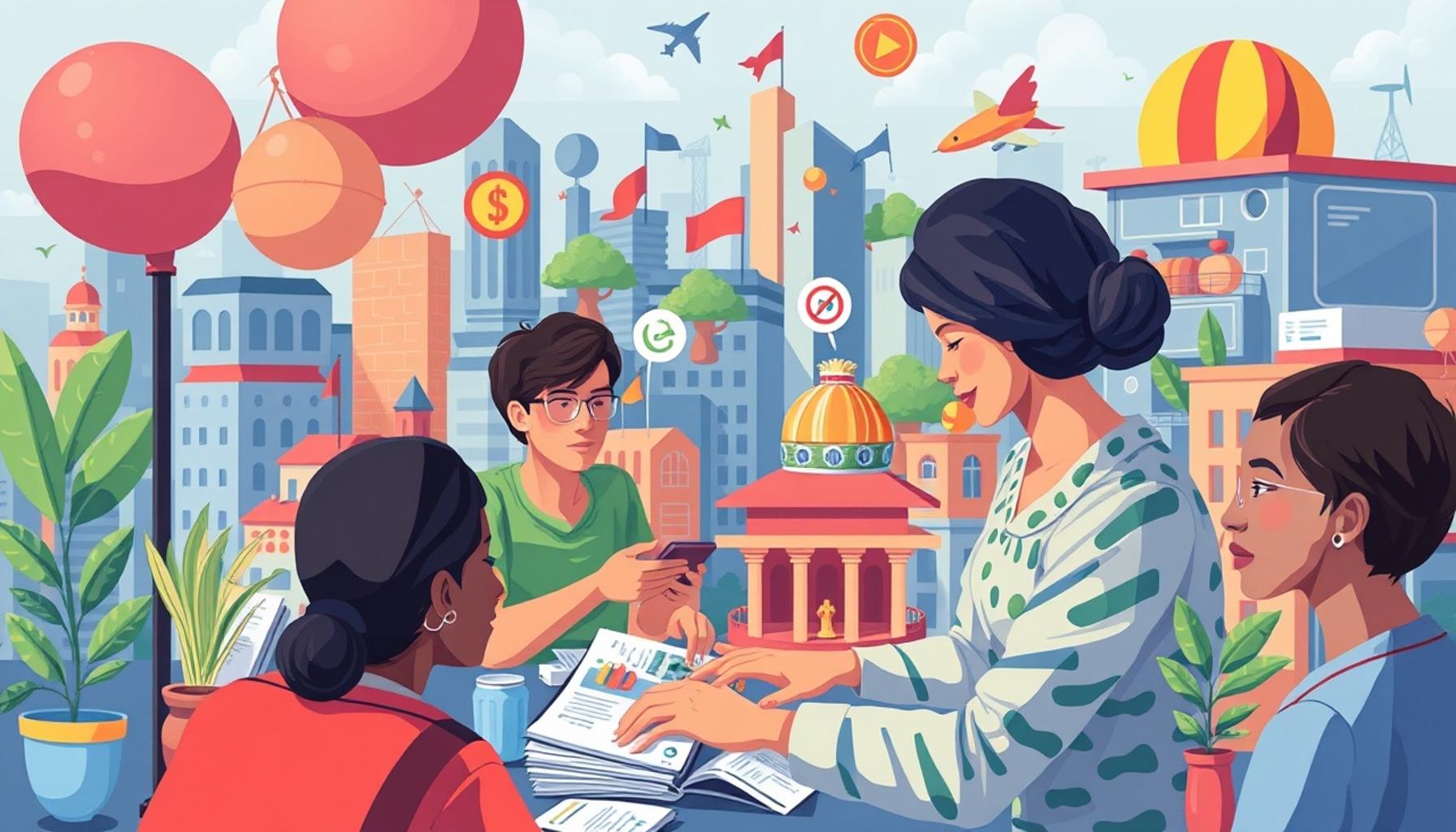
In recent years, the landscape of cultural engagement has been dramatically altered by the rise of online communities. These digital spaces not only connect individuals with similar interests but also provide a vital platform for marginalized cultures to gain visibility. This shift has significant implications for how we perceive and celebrate diverse identities.
- Support networks: Online groups serve as safe havens where individuals can share their unique stories and experiences without fear of judgment. For instance, platforms like Facebook and Reddit host numerous support groups where members discuss issues related to race, ethnicity, and sexual orientation. The #BlackGirlMagic movement, which celebrates the beauty and resilience of Black women, is a prime example of how these networks foster a sense of community and belonging.
- Avenue for expression: Digital platforms have become essential for artists and creators, allowing them to showcase their work to an audience that extends beyond geographical boundaries. Instagram and TikTok are breeding grounds for viral content that can elevate cultural awareness. For instance, the rise of Indigenous TikTok creators has brought attention to Native American issues and cultural practices, encouraging broader conversations and understanding.
- Educational resources: The internet serves as a rich repository of knowledge through blogs, forums, and educational videos. Websites like Medium and YouTube have numerous channels dedicated to cultural education, where creators discuss topics ranging from the nuances of African traditions to the history of Asian-American experiences. This democratization of knowledge enables individuals to learn about cultures that differ from their own in an engaging and accessible manner.
The strength of these online communities lies in their capability to amplify voices that have historically been marginalized. By harnessing the power of social media, these groups actively reclaim narratives that were often distorted or overlooked in mainstream discourse. This reclaiming fosters pride in cultural identity and promotes a deeper understanding among diverse populations.
Challenges in the Digital Age
Despite their many advantages, online communities also encounter challenges. Issues such as cyberbullying, misinformation, and cultural appropriation can undermine the positive impacts of these platforms. For example, even well-intentioned discussions about culture can sometimes lead to misunderstandings or cultural appropriation, which can detract from the authenticity of marginalized voices.
In conclusion, online communities play a crucial role in transforming cultural engagement and recognition. By providing support, avenues for expression, and education, these digital spaces empower individuals to take pride in their identities. The journey is ongoing, and as we navigate this landscape, it is essential to emphasize respect, understanding, and the sharing of authentic cultural narratives.
DON’T MISS OUT: Click here to discover how to save big
Empowerment Through Connection
Online communities have reshaped the ways marginalized cultures are recognized and valued by creating spaces where individuals can celebrate their identities and share their stories. This empowerment stems from the interconnectedness of users who, through their shared experiences, can collectively advocate for cultural appreciation and understanding.
- Collective storytelling: One of the most powerful aspects of online communities is the ability to share personal narratives that highlight unique cultural experiences. Forums and social media platforms often feature posts where individuals recount their journeys related to cultural identity, discrimination, or resilience. This shared storytelling fosters empathy and awareness among larger audiences, helping to humanize the struggles and triumphs of marginalized groups.
- Inspiration and role models: In the digital landscape, marginalized individuals can find role models who resonate with their experiences. For instance, platforms like Instagram empower creators to showcase their work, be it art, writing, or activism, thereby inspiring others. The visibility of figures such as Poet Amanda Gorman, whose work reflects themes of social justice and cultural identity, encourages young people from diverse backgrounds to embrace their voices and pursue their passions.
- Collaborative initiatives: Many online communities actively engage in initiatives that support marginalized cultures. Fundraising campaigns, educational workshops, and art projects can spread awareness and raise funds for causes that promote cultural preservation and recognition. Websites like GoFundMe often host campaigns aimed at supporting cultural events or providing resources to underrepresented groups, thus encouraging broader participation in cultural dialogues.
- A platform for advocacy: Online communities are also crucial for advocacy, allowing members to unite for causes central to their identities. When communities mobilize around social issues such as police brutality, political representation, or cultural rights, they amplify their voices and can lead campaigns that attract national attention. Social media hashtags like #JusticeForGeorgeFloyd mobilized millions, demonstrating the power of online solidarity in fostering change.
At their core, online communities serve to dismantle the barriers that have historically silenced marginalized cultures. By offering tools for storytelling and collaboration, they empower individuals to reclaim their narratives and assert their cultural significance in a society that often overlooks them.
The Importance of Intersectionality
Recognizing the intersectionality of identities is vital in understanding how online communities can uniquely valorize marginalized cultures. Intersectionality acknowledges that individuals belong to multiple identity groups—such as race, gender, and sexual orientation—which influences their experiences. For example, a Black transgender woman might face challenges that are distinct from those encountered by Black cisgender women. Online communities that address these complexities provide more nuanced support and foster richer discussions around cultural pride, ensuring that all voices are heard and valued.
DIVE DEEPER: Click here to discover how to measure ROI
Creating Safe Spaces for Dialogue
Online communities are not only about sharing stories; they also create safe spaces where individuals can engage in candid discussions about their cultural experiences. These platforms allow for deeper dialogues, free from the traditional barriers that often obstruct in-person conversations. Such environments are crucial in fostering understanding and respect while providing a unique setting for the exploration of complex cultural topics.
- Support networks: Internet platforms often serve as lifelines for those navigating the intricacies of their cultural identities. Communities focused on specific cultural groups provide members with the opportunity to seek support, advice, and validation from others who share similar backgrounds. For instance, platforms like Reddit host subreddits where queer people of color can discuss their unique challenges and joys, allowing for camaraderie and shared learning that may not be readily available in their immediate physical environments.
- Educational content: Many online communities dedicate themselves to education, using their platforms to provide resources that help demystify marginalized cultures. Websites, social media pages, and forums often share articles, videos, and infographics that explore the history, significance, and nuances of different cultures. For example, the use of platforms like TikTok has given rise to educational content that dives into cultural practices, languages, and the arts, increasing awareness and appreciation among wider audiences.
- Creative expression: Online communities often encourage creative expression as a means of cultural valorization. Artists, musicians, and writers use digital spaces to showcase their work, which can resonate with individuals both within and outside their cultural groups. For example, musicians who blend traditional sounds with contemporary genres often use YouTube and SoundCloud to introduce broader audiences to their heritage, thus promoting cultural pride and awareness while redefining conventional musical boundaries.
- Building solidarity: Online communities foster solidarity among marginalized cultures, particularly during movements and campaigns that address social injustices. The intersection of various cultural identities enables individuals to find common ground and support one another. Movements like Black Lives Matter and the Stop Asian Hate campaign exemplify this solidarity, where individuals from diverse backgrounds unite online to share resources, organize protests, and increase visibility for their issues. This collaboration amplifies their causes and enhances the fight for justice.
Online communities provide an exceptional avenue for meaningful dialogue. As individuals come together in shared spaces, they can engage in conversations that challenge misconceptions and celebrate cultural richness. This growth in understanding ultimately contributes to a more inclusive society, where marginalized voices are given the opportunity to shine.
The Role of Allies in Cultural Valorization
Allies play a vital role in the valorization of marginalized cultures within online communities. By amplifying the experiences and voices of those from underrepresented backgrounds, allies can foster an environment that encourages learning and growth. Through sharing resources, participating in discussions, and challenging prejudiced behavior, allies contribute to reshaping perceptions and supporting marginalized cultural expressions. Their involvement serves as a reminder that the fight for cultural recognition is a collective journey, and solidarity in these communities can lead to meaningful change.
DISCOVER MORE: Click here to learn how to apply for the Goodyear credit card
Conclusion
In conclusion, online communities have become pivotal in valorizing marginalized cultures, providing them with a platform to share their unique stories and experiences. These digital spaces foster dialogue by creating opportunities for individuals to connect, support one another, and cultivate a sense of belonging. As members engage in conversations that challenge stereotypes and highlight the richness of their cultures, they contribute to a broader understanding that transcends geographic and societal barriers.
The importance of educational initiatives within these online platforms cannot be overstated. By facilitating the sharing of knowledge and resources, communities enhance cultural appreciation and awareness. This process empowers not only those from marginalized backgrounds but also allies who wish to educate themselves and others, promoting a more inclusive narrative. Additionally, the role of creative expression in these spaces allows artists and influencers to reinterpret and celebrate their heritage, further enriching the cultural landscape.
Ultimately, as we witness collective movements and solidarity rising within online communities, we see how collaboration can drive social change. As individuals unite around shared goals, discussing experiences and advocating for justice, they shape a more equitable future for all cultures. By actively participating in these communities, we have the potential to uplift marginalized voices while exploring our interconnectedness. This journey of learning and support emphasizes that, together, we can challenge prevailing narratives and nurture a society that honors and values every culture.

Linda Carter
Linda Carter is a writer and expert known for producing clear, engaging, and easy-to-understand content. With solid experience guiding people in achieving their goals, she shares valuable insights and practical guidance. Her mission is to support readers in making informed choices and achieving significant progress.